
 EN
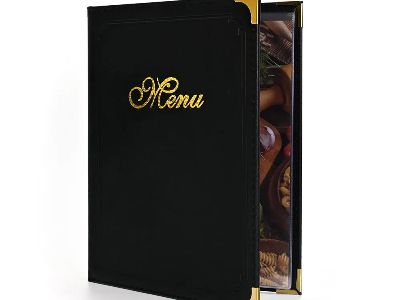
Menu holders are versatile products that can be effectively repurposed for card displays in various business environments. As B2B buyers explore options for showcasing information, menu holders provide a unique solution, accommodating promotional cards, information sheets, and signage without compromising on aesthetics or functionality. We will delve into how menu holder enhance card display versatility for businesses, what to consider when choosing them, potential cost savings, installation tips, and the importance of quality control in their manufacturing.
How Menu Holders Enhance Card Display Versatility for Businesses?
Menu holders are designed primarily to display menus in restaurants, but their functionality extends far beyond this singular purpose. Businesses can repurpose these holders to display promotional cards, event schedules, and informational brochures, making them a multifaceted tool for effective communication.
One of the key advantages of using menu holders for card displays is their adaptability. Available in various sizes, shapes, and materials, including acrylic, these holders can cater to different business aesthetics while providing durability. For example, a restaurant could use a sleek, clear acrylic menu holder to display daily specials, while a retail store might opt for a more colorful design to highlight promotional discounts.
Additionally, the ability to customize menu holders through printing or laser engraving allows businesses to convey branding messages directly on the product, further enhancing their versatility. This adaptability in application makes them an attractive solution for a wide range of industries, including hospitality, retail, and events.
What to Consider When Choosing Menu Holders for Your Cards?
When selecting menu holders for card displays, several factors should be considered to ensure that the chosen product meets the specific needs of your business.
Material: The choice of material is crucial. Acrylic is a popular option due to its clarity, durability, and ease of cleaning. However, depending on the environment, you may also consider other materials like metal or wood for a different aesthetic or added sturdiness.
Size and Configuration: Menu holders come in various sizes, so it’s essential to select holders that accommodate the dimensions of your cards. Consider whether you need single-sided or double-sided displays, as this will affect visibility and space usage.
Design and Aesthetics: The design should align with your overall branding and the message you wish to convey. A modern, minimalist design may work well in a high-end restaurant, while a more colorful and playful design could be ideal for a family-oriented establishment.
Functionality: Ensure that the holders are easy to use and access. If the cards need to be changed frequently, look for holders that allow for quick and efficient updates without damaging the product.
Customizability: If branding is essential, opt for table menu holders that can be personalized with your logo or other marketing messages. This feature can help reinforce your brand identity.
Choosing the right menu holder involves balancing aesthetics, functionality, and brand representation to enhance the overall customer experience.
Cost Savings on Menu Holders for Displays
Investing in menu holders can lead to significant cost savings for businesses. By repurposing these displays for various types of information and promotions, companies can reduce the need for multiple display products, which can be both space-consuming and expensive.
Additionally, many manufacturers, such as Wenzhou Jinda Exhibition Supplies Co., Ltd., offer competitive pricing, especially for bulk orders. By purchasing menu holders in larger quantities, businesses can benefit from lower unit costs.
Furthermore, quality menu holders tend to have a longer lifespan, meaning businesses will not need to replace them as frequently. This durability can translate to lower long-term costs. When making purchasing decisions, it’s essential to consider the total cost of ownership, including initial purchase price, replacement frequency, and maintenance costs.
Installation Tips for Effective Card Displays Using Menu Holders
Proper installation of menu holders is critical to ensuring that they function effectively and enhance visual appeal. Here are some practical tips:
Location Selection: Choose high-traffic areas for placement, ensuring that the menu holders are easily visible to customers. For instance, placing them at eye level on tables or near checkout counters can maximize visibility.
Stability: Ensure that the menu holders are stable and won’t easily tip over, especially in areas with high foot traffic. Consider using weighted bases if necessary.
Orientation: Depending on the content, select the right orientation, landscape or portrait. This choice will depend on the design of the cards and how you want to display the information.
Regular Updates: If your menu holders display dynamic information, such as daily specials or promotional events, establish a schedule for regular updates to keep the content fresh and relevant.
Cleaning and Maintenance: Regularly clean the menu holders to maintain their appearance. Acrylic can be susceptible to scratches, so use appropriate cleaning materials to avoid damage.
By following these tips, businesses can ensure that their acrylic menu holder effectively showcase their cards and promotional materials.
Quality Control Measures in Manufacturing Menu Holders for Cards
Quality control is a vital aspect of manufacturing menu holders, particularly since they are often used in customer-facing environments. At Wenzhou Jinda Exhibition Supplies Co., Ltd., stringent quality control measures are implemented to ensure that each product meets high standards.
Material Inspection: Before production begins, materials are thoroughly inspected to ensure they meet specified quality standards. This includes checking for clarity, thickness, and any potential defects.
Dimension Verification: Accurate dimensions are critical for functionality. Regular checks throughout the production process help to ensure that each menu holder is made according to the specified sizes.
Sample Approval: Prior to mass production, it is crucial for buyers to approve a finished sample. This step allows them to verify that the dimensions, fit, and surface appearance meet their expectations and requirements.
Testing Under Real Conditions: Conducting tests under actual usage conditions helps identify potential weaknesses in the design or materials. This practice can help mitigate issues that may arise once the product is in use.
Ongoing Quality Audits: Regular audits of production processes help to maintain quality over time, ensuring that any deviations are promptly addressed.
By maintaining rigorous quality control, manufacturers can ensure that their menu holders are durable, effective, and suitable for various applications, thereby enhancing customer satisfaction and trust in the product.
In summary, understanding how menu holders can be repurposed for card displays is essential for businesses aiming to enhance their visual communication. By considering material, design, functionality, and quality control during the selection process, businesses can make informed decisions that lead to effective and cost-efficient displays.