
 EN
EN
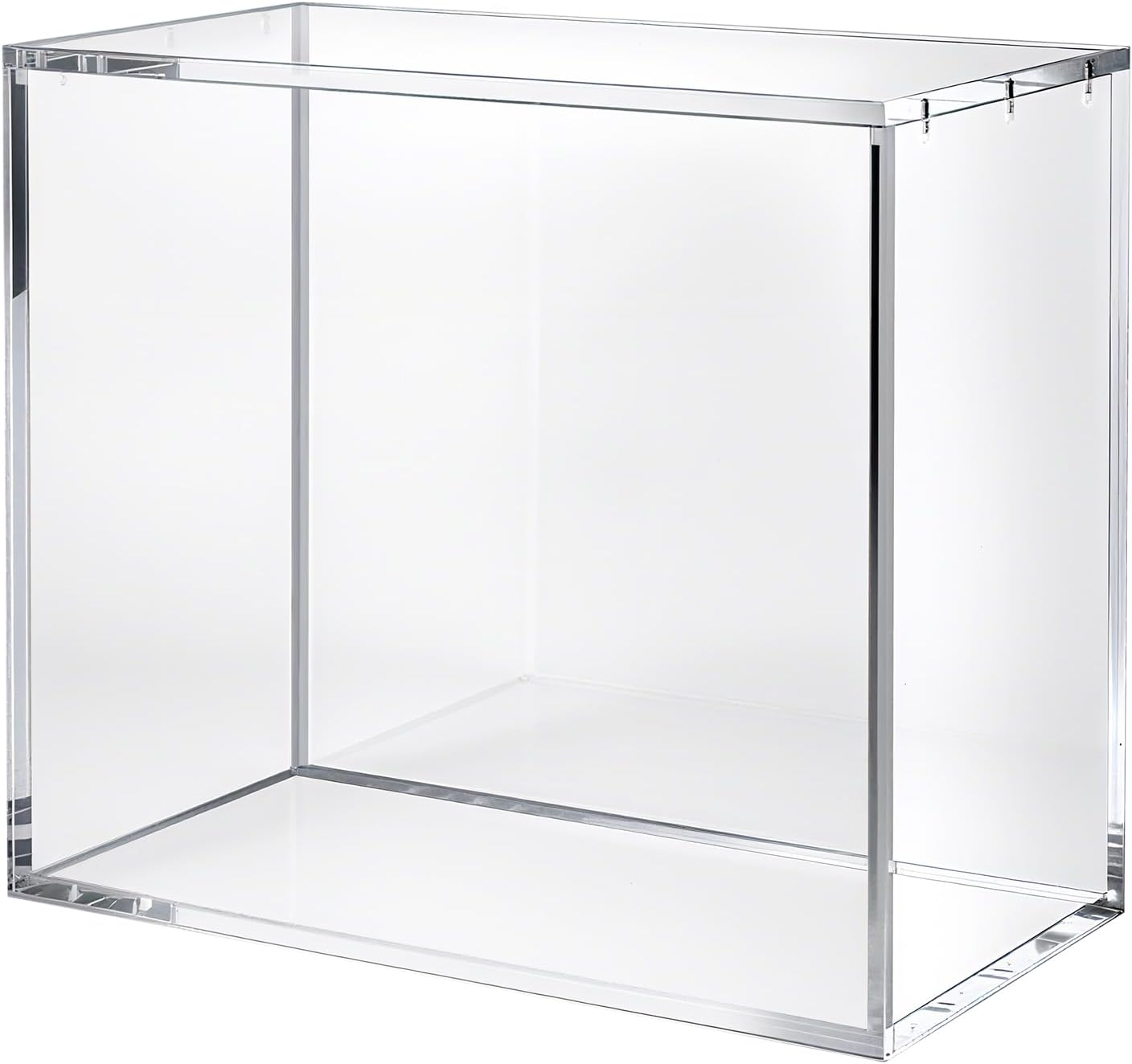
The impact of clear displays on trading card sales is significant, as the right display solutions can enhance the presentation and protection of these collectible items. For B2B buyers, especially purchasing managers and distributors, understanding the benefits of clear displays is crucial for maximizing sales potential. This article will explore the quality, cost factors, technical specifications, best practices, and common issues associated with trading card displays, providing actionable insights to help make informed purchasing decisions.
Comparing the Quality of Acrylic Displays for Trading Cards
When sourcing clear display case for trading cards, the quality of the materials used is paramount. Acrylic is a popular choice due to its clarity, durability, and lightweight properties. High-quality acrylic displays can protect cards from dust, moisture, and physical damage while providing an unobstructed view that enhances the product's appeal.
Buyers should compare different grades of acrylic, noting that higher-grade acrylic tends to be more scratch-resistant and UV-stabilized, which helps prevent yellowing over time. Additionally, the thickness of the acrylic can impact its sturdiness and the level of protection it offers; generally, displays with a thickness of 2mm or more are recommended for optimal durability.
Wenzhou Jinda Exhibition Supplies Co., Ltd. specializes in precision-crafted acrylic products, ensuring that buyers receive displays that meet their specific quality requirements and enhance the overall presentation of trading cards.
Cost Factors to Consider When Sourcing Clear Displays
Cost is a crucial consideration when sourcing clear displays for trading cards. Several factors influence pricing, including material quality, manufacturing processes, and customization options. For instance, while standard acrylic displays may be cost-effective, custom designs or high-grade materials can significantly increase costs.
When evaluating costs, buyers should also consider the total cost of ownership, which includes shipping, potential import duties, and the cost of storage. MOQ (minimum order quantity) can also affect pricing; larger orders may yield discounts, providing an opportunity for significant savings.
Buyers should request detailed quotes that outline all costs associated with their order, including any potential additional charges for custom engraving or printing. This transparency will aid in making a more informed decision that balances quality with budget constraints.
Technical Specifications of Clear Displays for Trading Card Protection
Understanding the technical specifications of clear plastic display box is essential for ensuring they meet the required protection standards for trading cards. Key specifications to consider include:
Material Type: Acrylic is commonly used for its balance of clarity and protection. Polycarbonate is another option, offering increased impact resistance but at a higher price point.
Thickness: The thickness of the display can affect its durability and protective capabilities. A minimum thickness of 2mm is generally recommended for adequate protection against bending or breaking.
UV Resistance: Displays should possess UV-stabilization to prevent damage from sunlight exposure, which can lead to fading and deterioration of the trading cards.
Dimensions: Custom sizing may be required to fit specific card dimensions. Buyers should provide exact measurements when requesting quotes to ensure compatibility.
Buyers should verify these specifications with suppliers to ensure that the chosen displays will adequately protect their trading cards while also presenting them attractively.
Best Practices Revealed
To maximize the effectiveness of clear displays in enhancing trading card sales, several best practices should be followed:
Sample Approval: Before final production, request samples to assess the quality, fit, and finish. Samples should be tested under actual conditions to ensure they meet expectations.
Proper Storage Conditions: Ensure that the displays are stored in a climate-controlled environment to prevent warping or damage prior to use.
Regular Maintenance: Advise customers on how to clean and maintain the displays to preserve their clarity and appearance. Use soft, lint-free cloths and non-abrasive cleaning solutions to avoid scratches.
Customization: Take advantage of OEM/ODM services to create unique displays that align with branding or promotional needs. Customization can include printed logos, specific colors, or unique shapes.
Implementing these best practices can lead to higher customer satisfaction and increased sales as products are presented in an optimal manner.
Common Problems with Trading Card Displays and Their Solutions
While clear displays offer excellent protection for trading cards, common issues can arise that buyers should be aware of:
Scratching: Lower-grade acrylic can be prone to scratching, which detracts from the display's visual appeal. To mitigate this, opt for higher-grade acrylic or polycarbonate materials that offer better scratch resistance.
Yellowing: Some acrylics may yellow over time, especially if not UV-stabilized. Ensure that the displays are made with UV-resistant materials to prevent this issue and maintain clarity.
Sizing Issues: Incorrect dimensions can lead to poor fitting displays. Always provide precise measurements when ordering and confirm these with the supplier before finalizing the order.
Shipping Damage: Clear plastic display cases are susceptible to damage during shipping. Implementing robust packaging solutions, including bubble wrap and sturdy boxes, can help protect displays during transport.
By proactively addressing these common problems, buyers can ensure that they receive high-quality displays that enhance the presentation and protection of trading cards, leading to improved sales and customer satisfaction.
Wenzhou Jinda Exhibition Supplies Co., Ltd. is well-equipped to address these issues, providing products that are designed for durability and optimal performance in various market conditions.